



Bird Sightings
5th to 8th September 2023
The settled weather has continued this week, winds remaining as light easterlies apart from a much gustier morning on the 5th. The 5th was very quiet, but the week got much more exciting on the 6th-8th, with four Wryneck on the island for two days as well as a first-year Woodchat Shrike on the 6th.
 First year Woodchat Shrike Barton's Field © Angus Croudace
 First year Woodchat Shrike on Sycamore above Millcombe Pines © Angus Croudace
Now that we're into the swing of autumn numbers of Sylvia warblers are starting to rise, with about a dozen Blackcap and Whitethroat typically pushing up Millcombe. Counts of 41, 65 and 40 Willow Warblers on the 6-8th, with a noticeable switch to juvenile birds rather than the adults that dominated the earlier counts in the season. A couple of Reed Warblers, Chiffchaff and Common Redstart seen each day, and one Sedge Warbler on the 6th (Pondsbury) and 8th (Millcombe pines). There was a small push of Firecrest, with five on the 6th. Last year the highest Firecrest count was three on the 9th September, with other counts of three later in October. The push this week is likely to represent local mainland breeders, with Scandinavian birds forming the bulk of our passage in October.
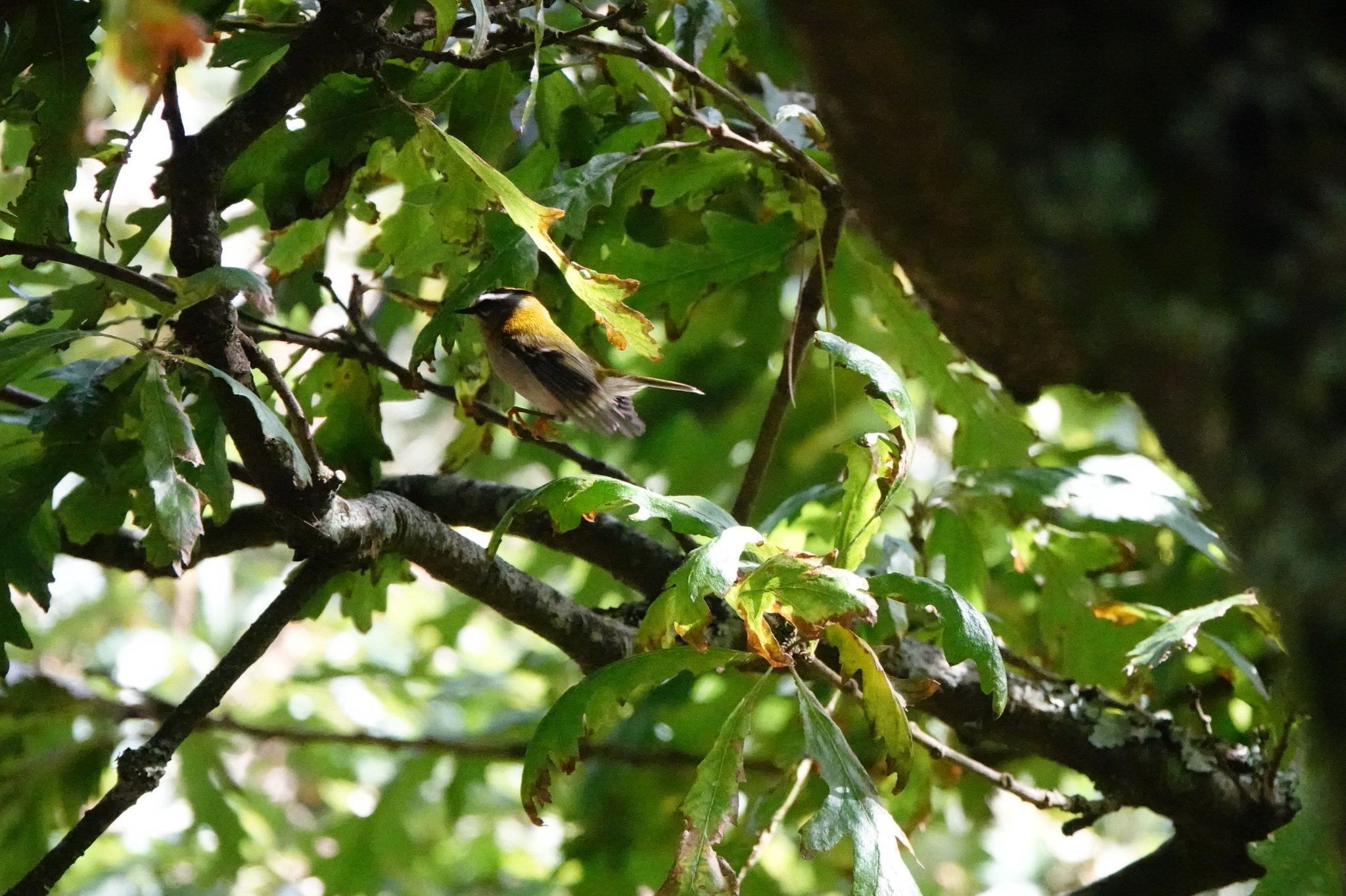 Firecrest, Millcombe © Angus Croudace
Flycatchers have been a joy to watch, with the east side positively buzzing with them. Max counts of 22 and 45 Spotted Flycatcher on the 6th and 7th and 18 and 24 Pied Flycatcher on the same dates. For comparison, last year peak counts of Pied Flycatcher were 6 in early September, and max count of Spotted Flycatcher was 20. This is a great comparison which shows the impact of the sustained easterly winds that we have been experiencing. Seven Whinchat on the 7th and 11 on the 8th are great signs of more autumn migrants moving through, as are Tree Pipit (two over Millcombe on the 7th, and at least four over the island on the 8th). One or two Siskin have also been heard flying over Millcombe two since the 6th.
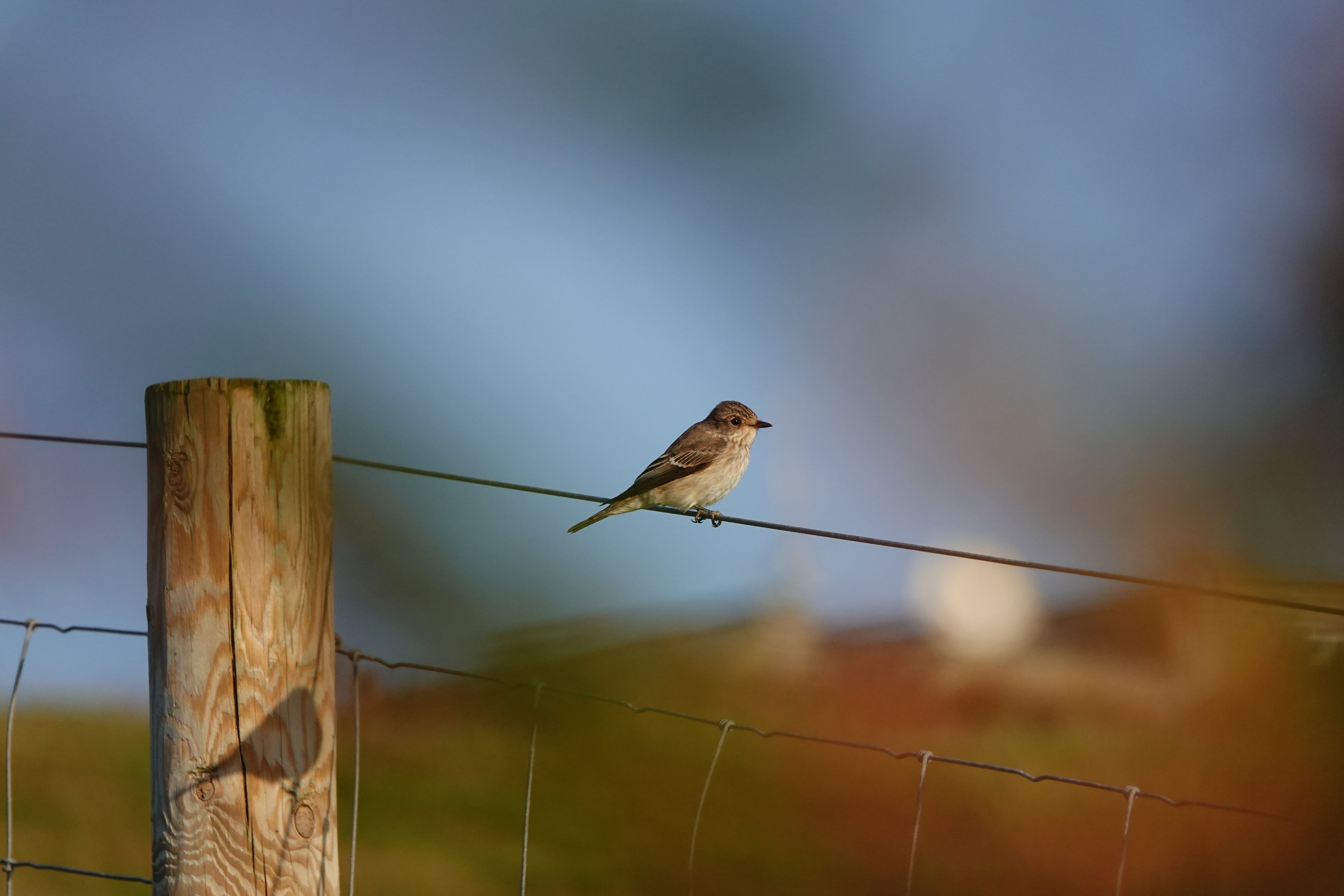 Spotted Flycatcher above Millcombe © Angus Croudace
One Swift and one Sand Martin over on the 6th along with a small push of 250 Swallows. Five House Martin on the 7th were accompanied by a trickle of 60 Swallow. A Collared Dove was seen over Millcombe and on the roof of the barn on the 6th. The autumn has been slow on the raptor front, with only one female Sparrowhawk seen on the 5th, 6th and 8th.
Two Golden Plover over Millcombe on the 7th, with five Ringed Plover also recorded north of Quarter Wall. One Common Snipe at Pondsbury on the 5th and 6th and three on the 8th. An east coast seal survey also turned up a Common Sandpiper at Brazen Ward and two Turnstone at North Light, as well as a count of 26 Oystercatcher. Wader passage is vastly under-recorded on the island and opportunities such as accompanying the marine team on seal surveys is a great excuse to pick up some of these birds. Another Common Sandpiper was heard from Millcombe in the evening on the 8th. A Grey Heron has still been observed most days.
The first-year Rose-coloured Starling continued to 7th, seen with the other starlings as often as it is alone around the village and Millcombe. The Pintail has been present until the 7th, spending more time around Pondsbury than Millcombe.
In terms of ringing effort, the light winds since the 6th have meant that the mist nets in Millcombe have been open each day with highlights of three Wryneck ringed (one was caught in the Heligoland trap on the Terrace). A couple of pleasant evening sessions on the 7th and 8th picked up a dozen flycatchers. Our visiting ringers continue to ring about 20 Manx Shearwater over on the west coast, with a couple of Storm Petrels picked up too.
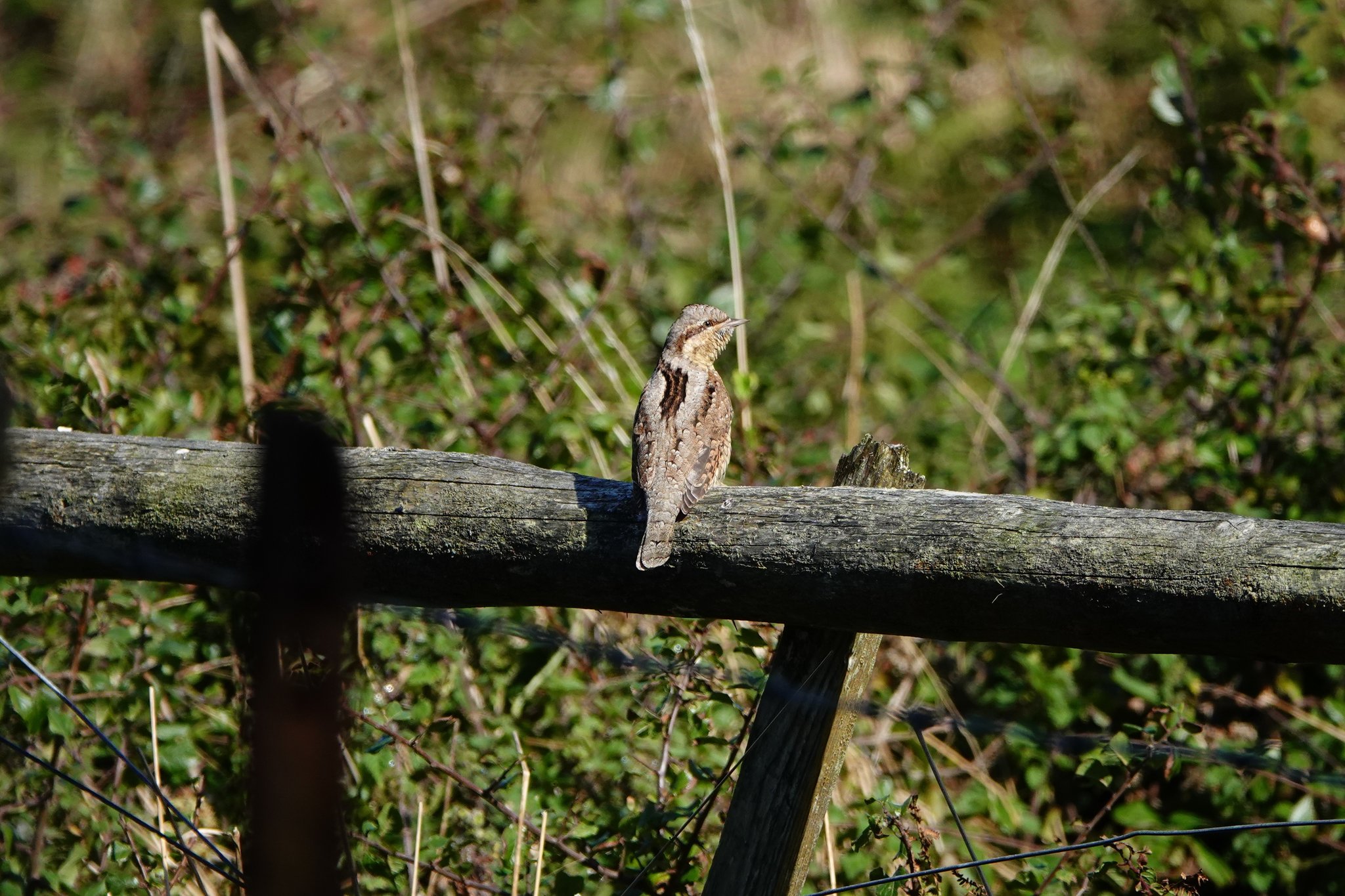 Wryneck, Millcombe © Angus Croudace
1st to 4th September 2023
Clear skies and bright, dry days meant that despite consistent easterlies the first two days of September started fairly quietly, with common migrants trickling through and morning censuses fairly low on numbers. However, working the lower east in the afternoon produced superb results on Sunday 3rd, with a memorable day including highlights of a Western Bonelli's Warbler, Melodious Warbler and Wryneck on the Terrace (along with Spotted Flycatcher, Pied Flycatcher and 2 Common Redstart). Millcombe wasn't to be left out, with the first Whinchats of the season just above around Barton's Field, a Firecrest in the pines, and a juv Rose-Coloured Starling flying from the church to below Government early evening. Wryneck, 2x Firecrest and Rose-Coloured Starling all present for a second day on the 4th.
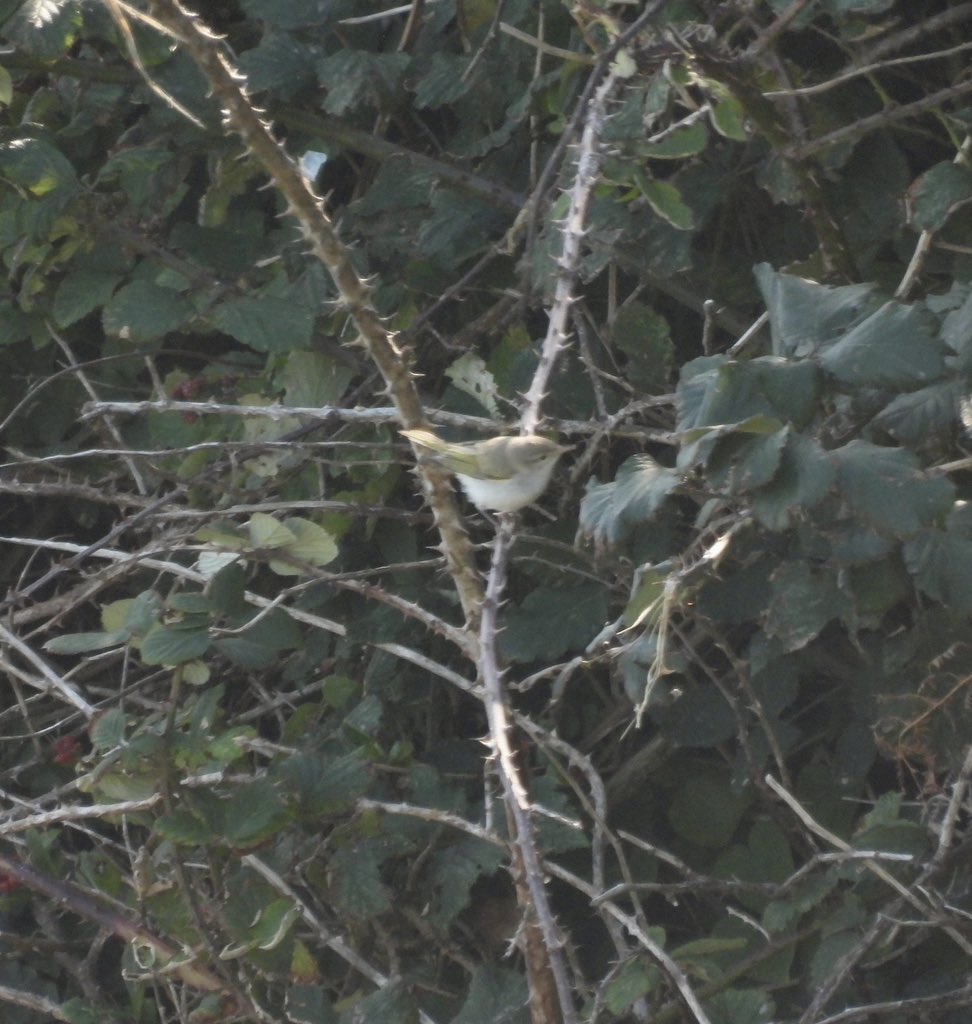 Western Bonelli's Warbler, St Helen's Copse © Luke Marriner
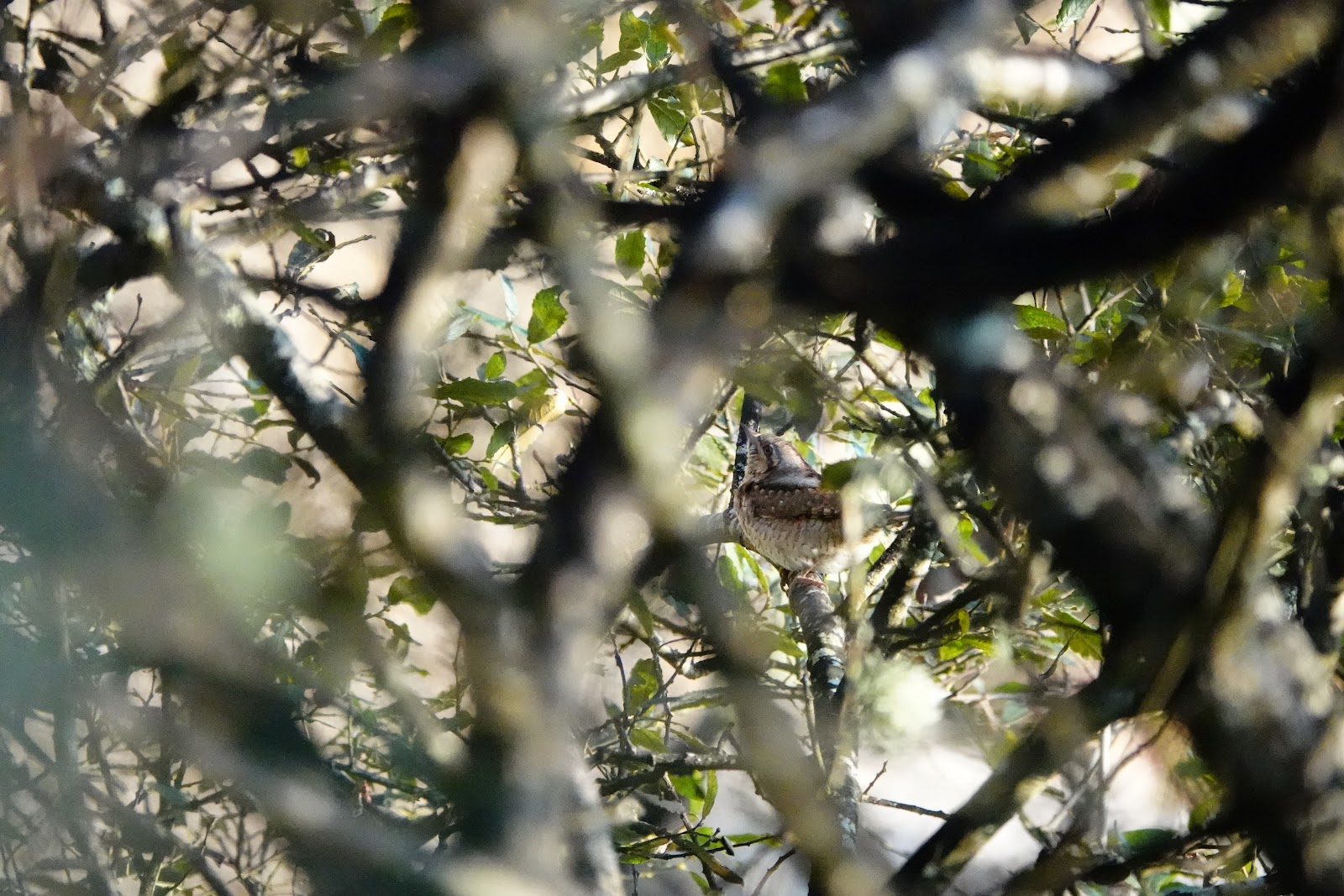 Wryneck on Terrace © Angus Croudace
Ringed Plover singles were heard by quarter wall on census on the 2nd and 3rd, with a second heard moving over Gannets Bay on the 3rd. Single Golden Plover heard on the 2nd, and single Dunlin over the village on 3rd and 'in-off' at the Ugly on the 4th. Common Snipe flushed from Rocket Pole on 1st, flying over Quarter wall on 2nd, and flushed from Pondsbury on 4th. A Pintail has been seen every day since the 1st, moving between fresh water bodies and the Landing Bay, most memorably on Millcombe pond, and shortly after in the top shelf of a Secret Garden mist net (albeit too briefly to retrieve)!
4 Black-headed Gull flew north along the west on the 2nd. Grey Herons have been seen on 1st (adult at Barton's Field) and 3rd (juv at Pondsbury). Ringtail Hen Harrier moving north of Quarter Wall on 2nd, but has not been seen since.
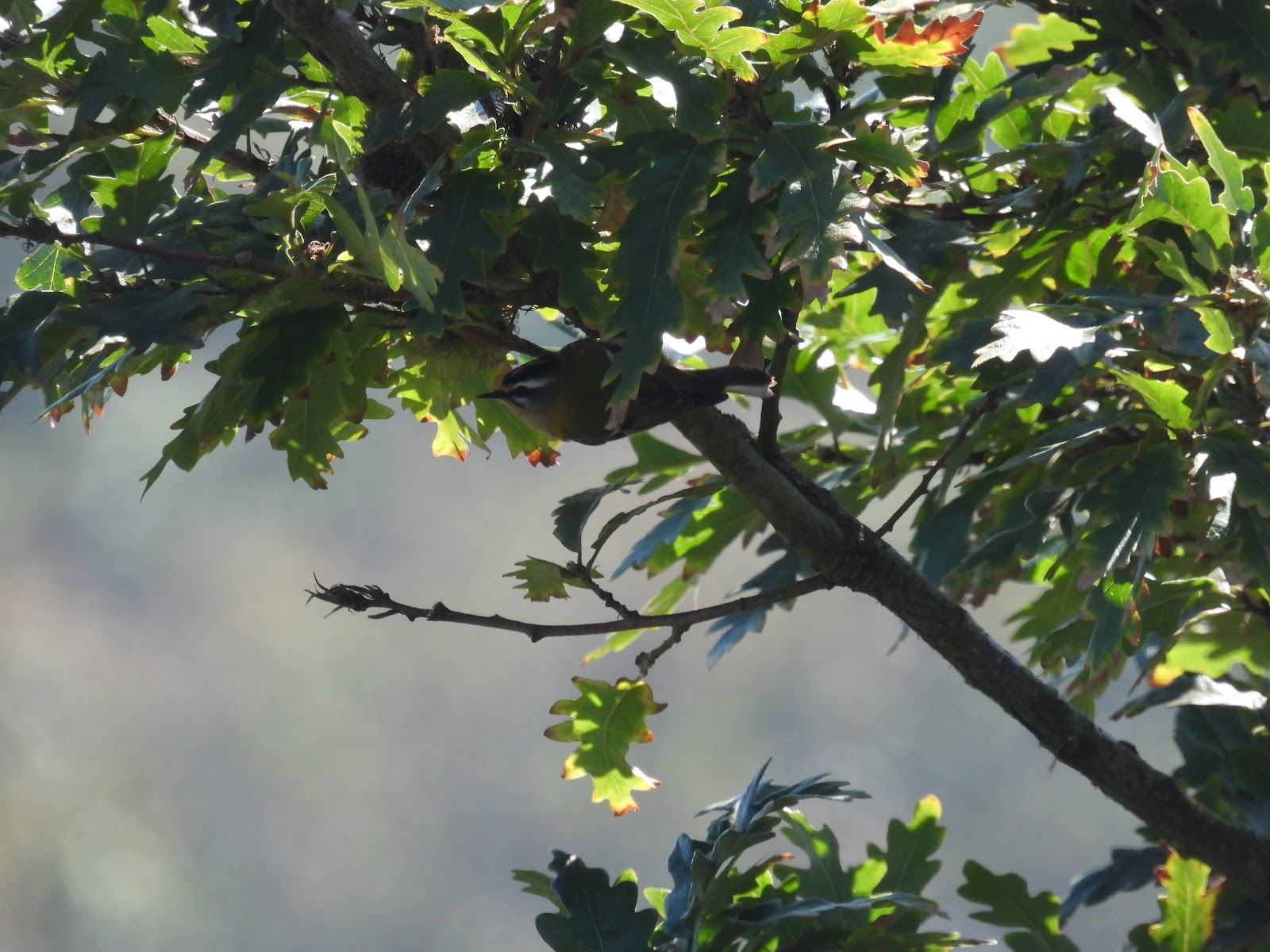 Firecrest, Millcombe © Luke Marriner
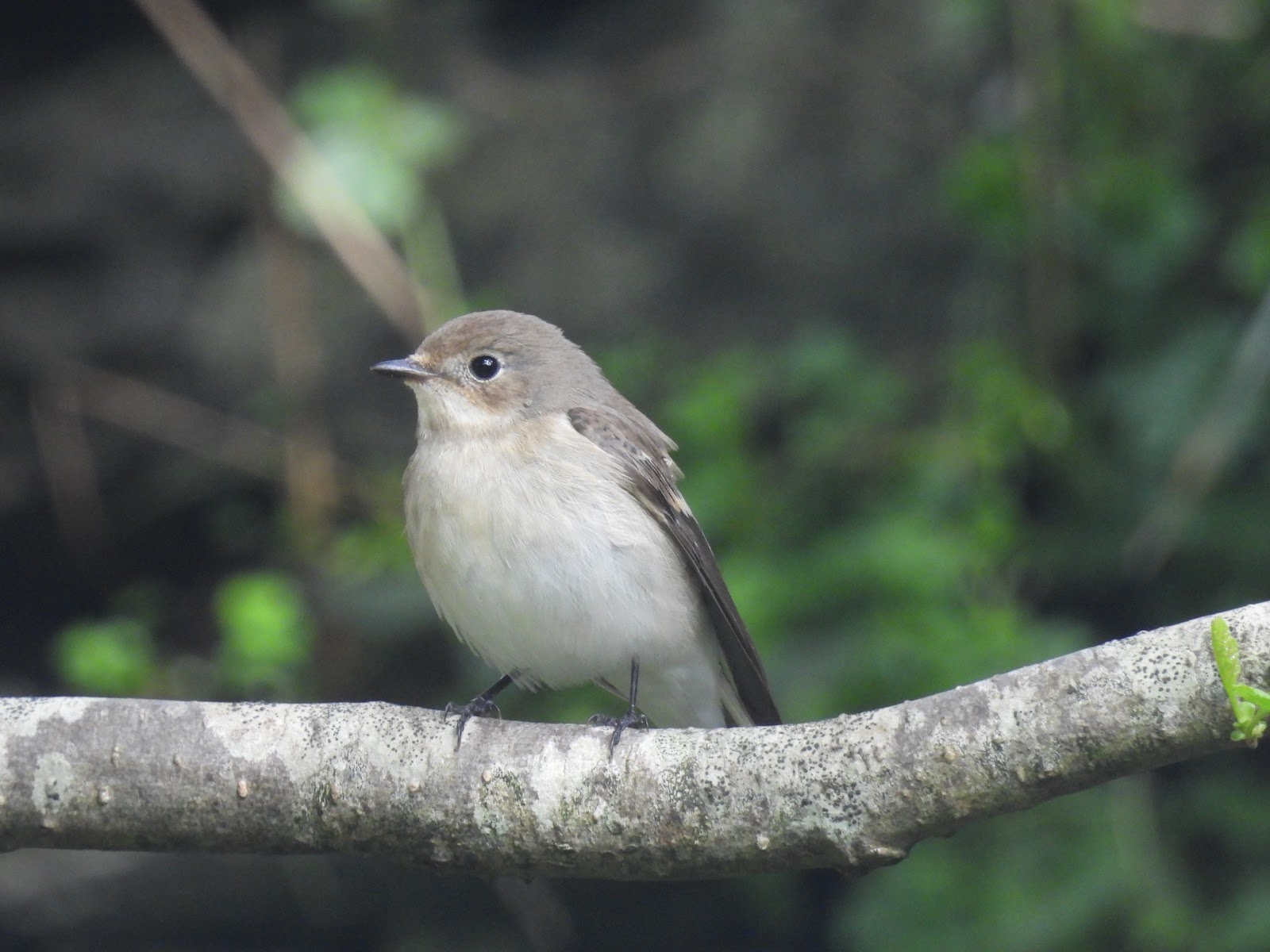 Pied Flycatcher © Luke Marriner
6 Skylark picked up on the 3rd and 3 on the 4th, and a small hirundine movement with 2 each of Sand and House Martin and 71 Swallow on the 3rd and 4 House Martin, 39 Swallow on 4th. Birds appeared to drop in throughout the day on Sunday 3rd, with a final total of 82 Willow Warblers after just a couple on census in early morning and totals of 7 on the previous 2 days. Also recorded on Sunday 3rd were 10 Blackcap, 1 Garden Warbler, 3 Whitethroat, 8 Goldcrest, 7 Spotted Flycatcher, 2 Common Redstart and 2 Whinchat. The first Yellow Wagtail of the season was recorded on census on the 3rd and 4th and 10 alba Wagtails were also recorded on the 3rd and 4th. 2 Tree Pipit singles over Millcombe on 3rd and another two on the 4th. Monday the 4th was very busy with Spotted Flycatchers, with 23 recorded, and one Pied Flycatcher.
Nets were open in Millcombe for all of Friday and several hours on Saturday/Sunday before winds increased, although capture rate was fairly slow, with about 60 common migrants and local breeders ringed. A group of visiting ringers have been putting some effort into the Manx Shearwaters, with a couple of dozen chicks ringed each night.
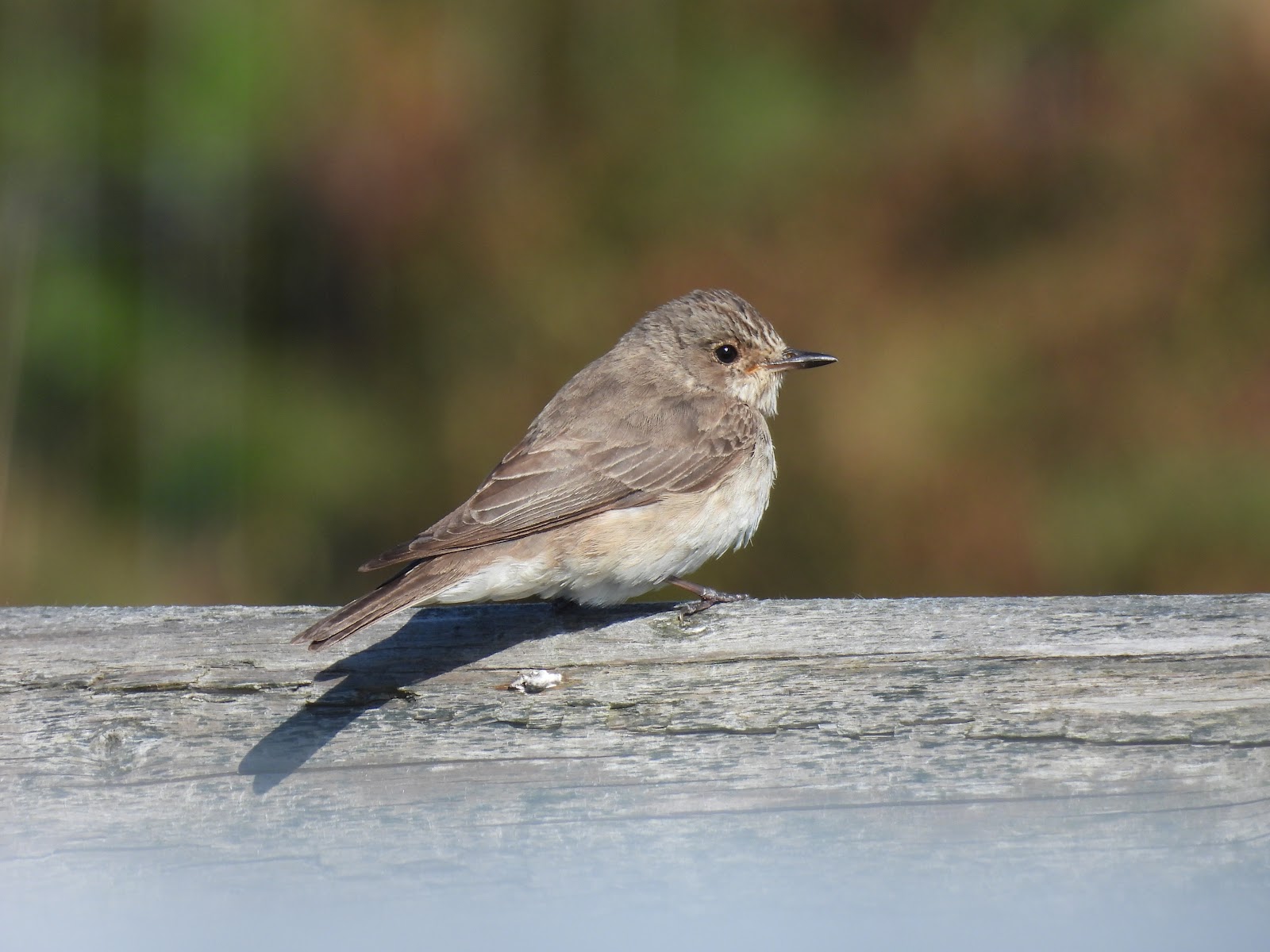 Spotted Flycatcher © Luke Marriner
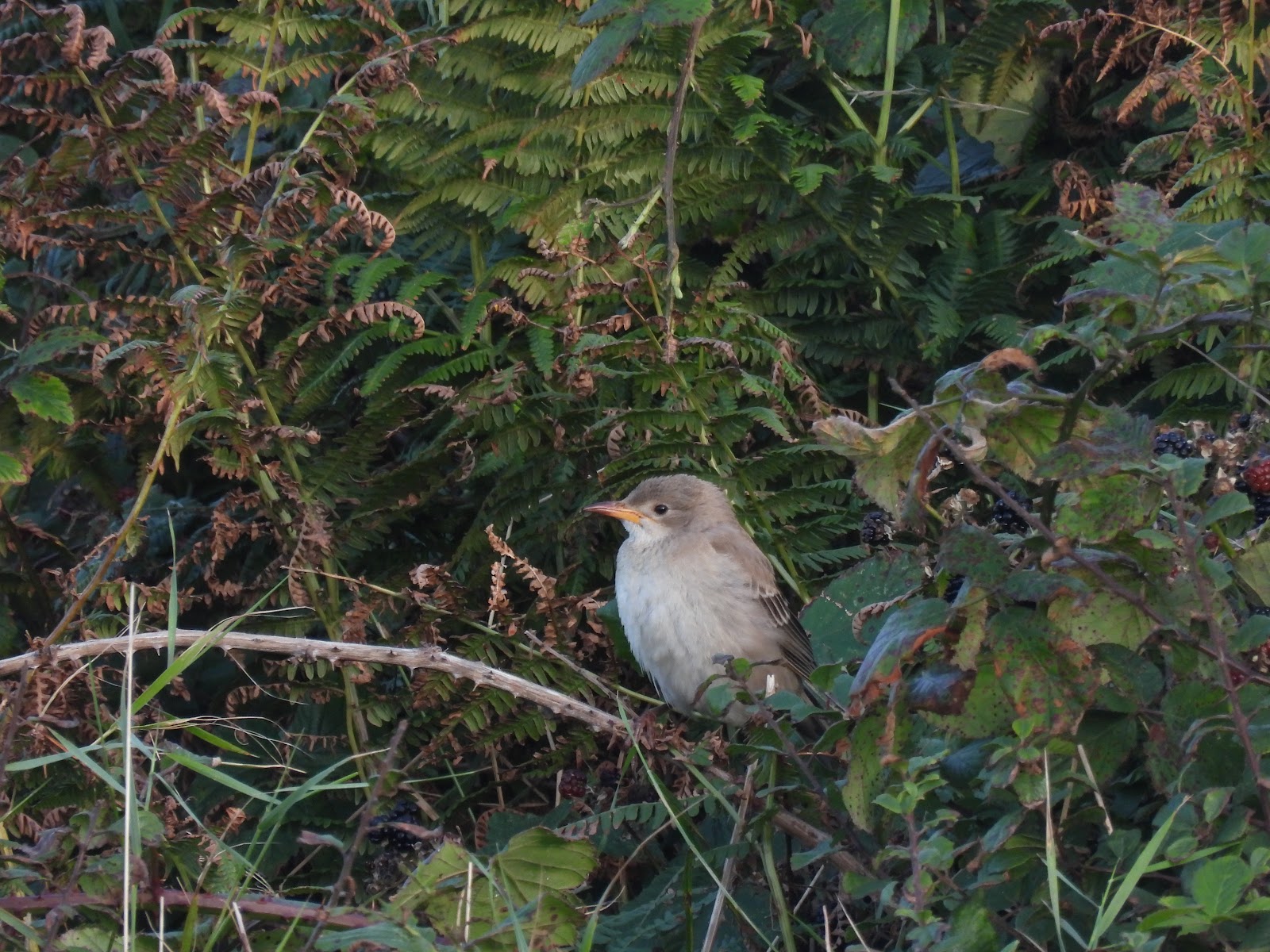 First-year Rose-coloured Starling, Millcombe © Luke Marriner
17th to 31st August 2023
Autumn migration continues to move through the gears with a double Hippolais warbler day and plenty of common migrants on show over the last few days. Storm Petrel ringing is now winding down after an eye-opening season. Latest totals currently sit at 538 new birds ringed this year (comfortably exceeding the all-time ringing total of 491 between 1947-2022). Throw in all the re-traps and recoveries and we've handled 642 different individuals(!), and a recent run of controls has also seen birds from France, Jersey and Alderney! Another nice seabird recovery came from a Manx Shearwater re-trapped at the Old Light colony which was originally ringed in its first-year at Wooltack Point, Pembrokeshire in September 2013.
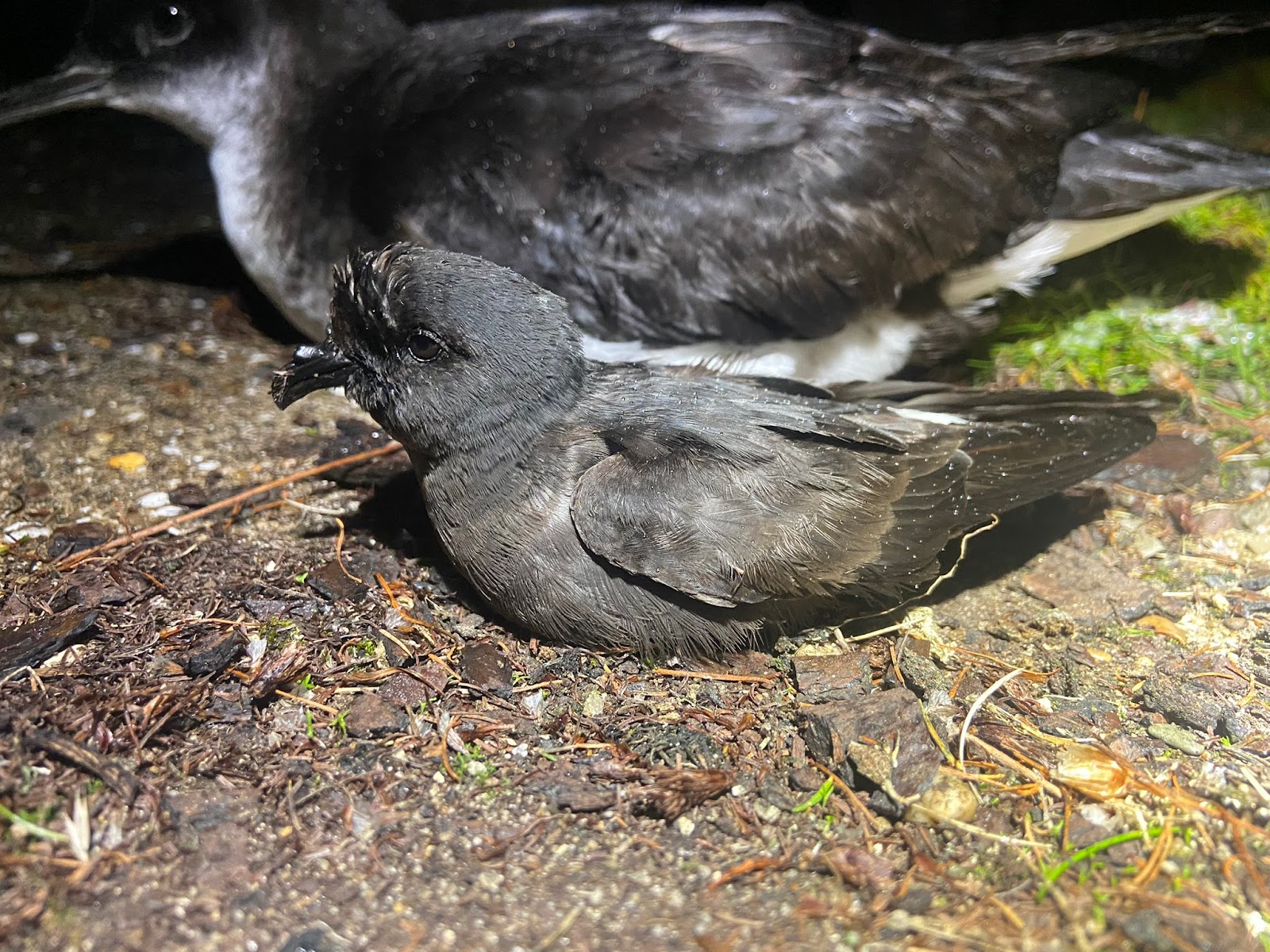 Storm Petrel (foreground) and Manx Shearwater (background) © Luke Marriner
Turning to passerines, Pied Flycatchers have been recorded in small numbers everyday with a max count of five on 27th. Spotted Flycatcher have been equally present, also peaking at five individuals on 29-30th and Redstart have been pushing through in smaller numbers, with singles logged across the Terrace and Millcombe on 20th, 28th and 30th. Tree Pipit movement overhead has been slow and steady with ones and twos recorded most days. A change of pace came on the 23rd when a Melodious Warbler was trapped and ringed in the valley. A second (unringed) 'Melody' then popped up along the lower east coast on the 27th and an Icterine Warbler graced Millcombe between 27-28th while a Common Nightingale (scarce migrant on Lundy - only the seventh record this century!) skulked around the bracken to the north of the Quarries on 28th.
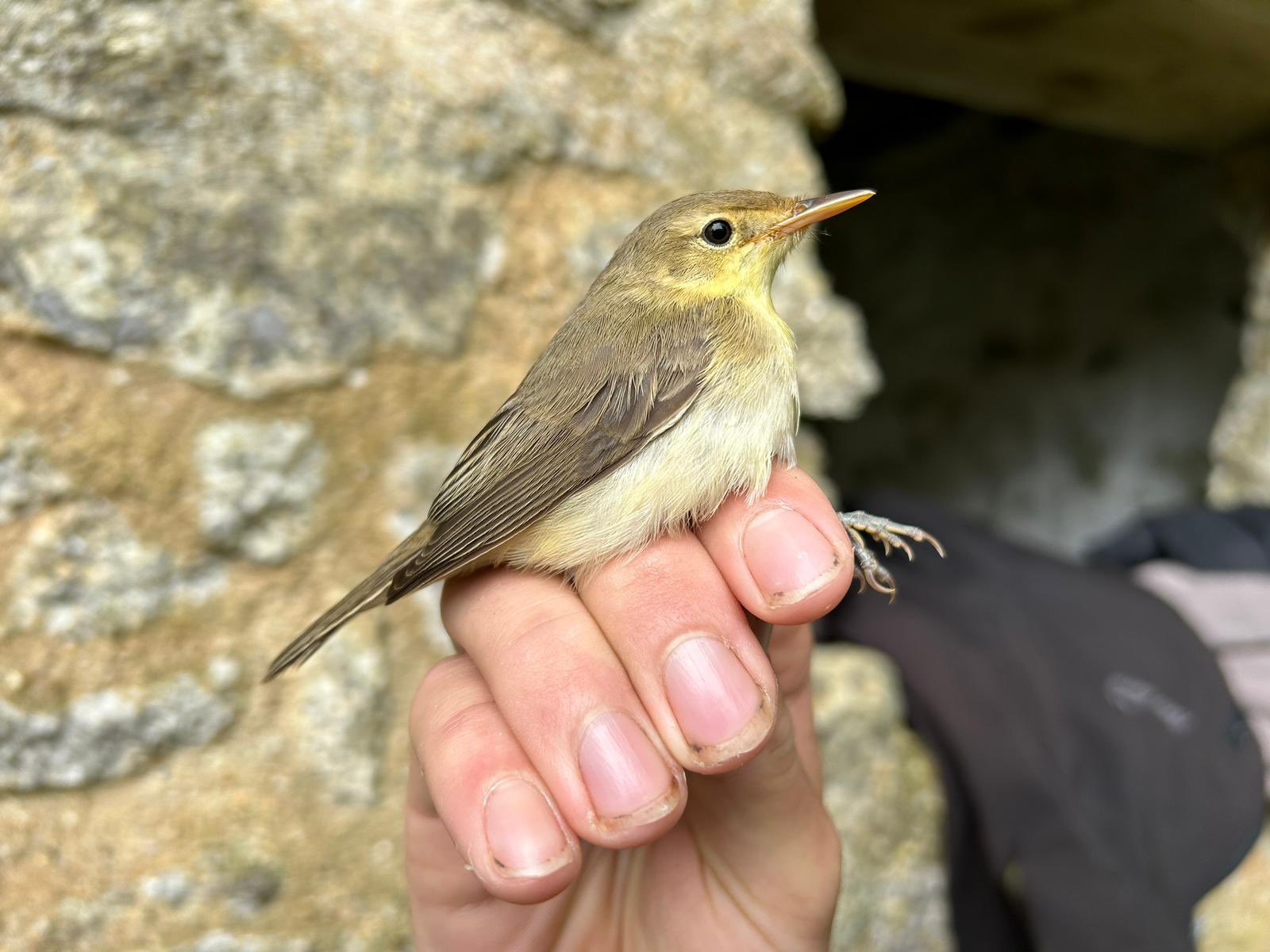 First-year Melodious Warbler in the hand before being released after ringing © Luke Marriner
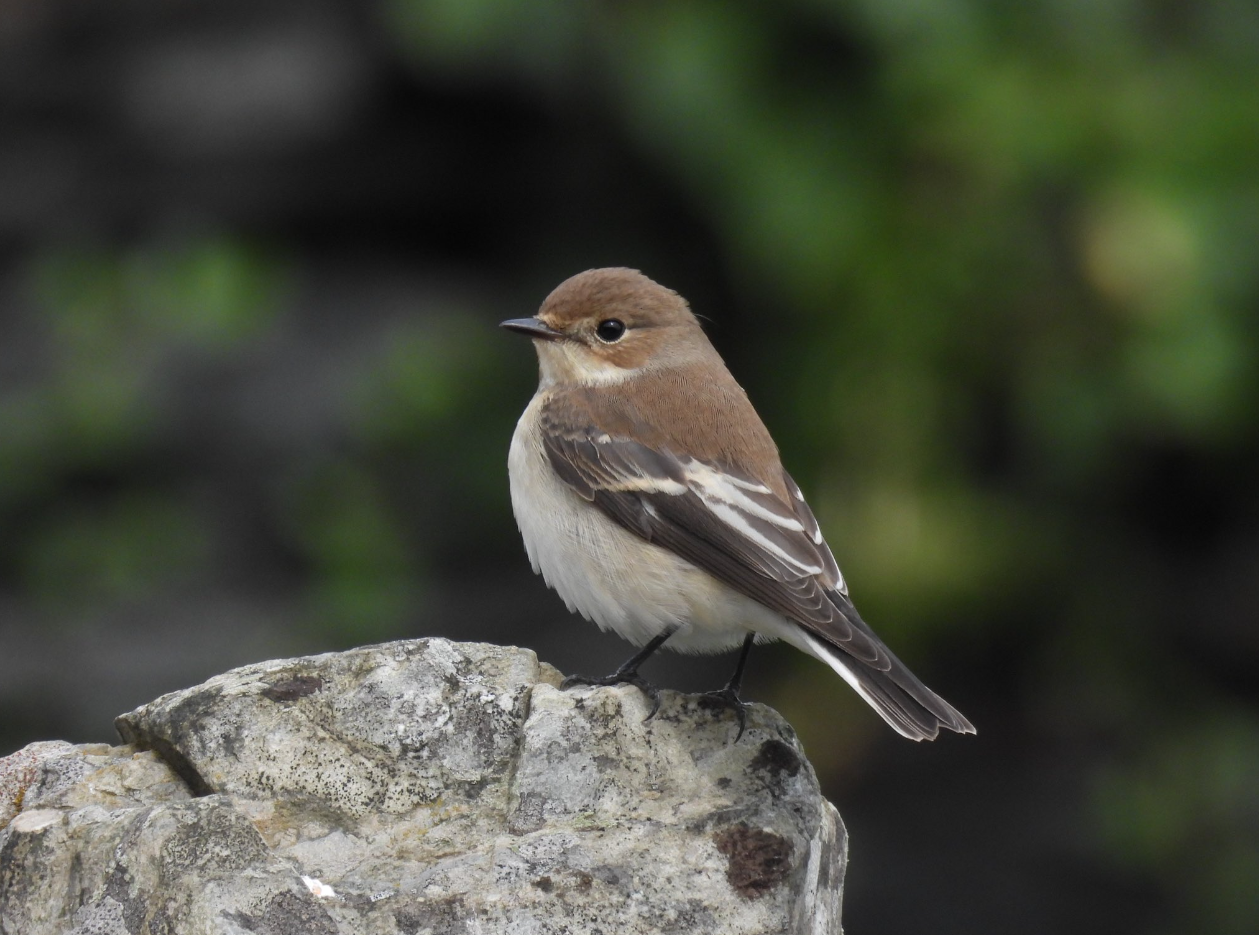 First-year Pied Flycatcher © Luke Marriner
16th August 2023
The first passage Tree Pipit of the autumn brightened up an otherwise relatively quiet census route. Two juveniles were ringed in Millcombe and another two passed south overhead. Other notables from the session included an adult female Reed Warbler and two juvenile Whitethroat which had both completed their post-juvenile moult - so presumed migrants rather than our local fledglings. Elsewhere a Sparrowhawk graced VC Quarry and a Curlew was calling over Barton Field/St Helen's Field.
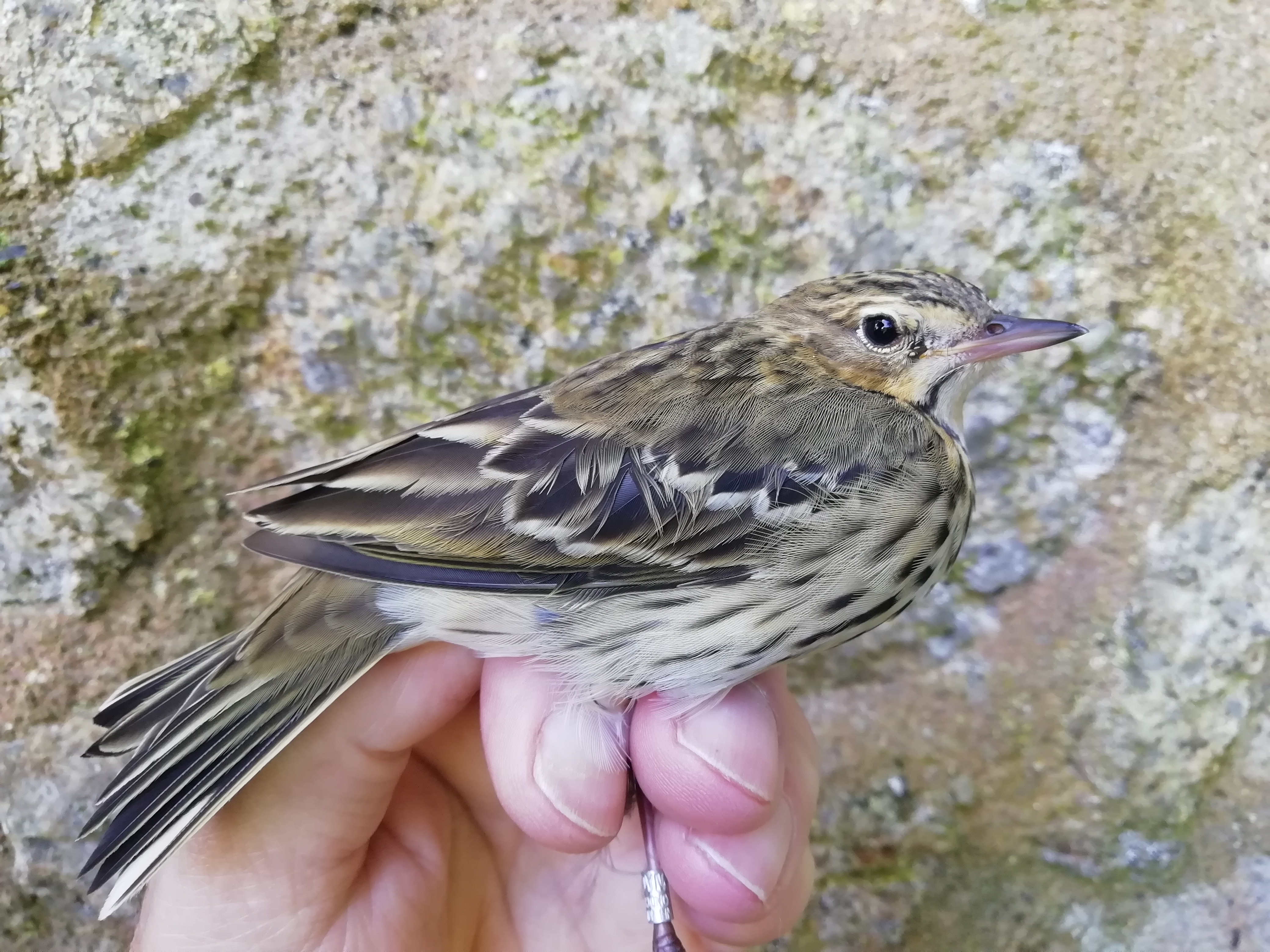 Juvenile Tree Pipit © Joe Parker